
Bulk Ammunition: The Smart Shooter’s Secret to Never Running Dry at the Range
What could be more straightforward than purchasing ammunition in large quantities, packaged together as a single bulk lot? Bulk ammunition refers to cartridges sold in high volume, typically loose-packed in boxes or cans rather than individual retail packages, functioning identically to standard rounds when loaded into a firearm. The primary benefit is cost efficiency, as the per-round price drops significantly with volume, making it ideal for high-volume practice or extended storage. To use it effectively, simply store the rounds in a cool, dry place and load them into 5.56 Ammo for Sale magazines or chambers exactly as you would any other factory ammunition.

What Exactly Counts as Bulk Ammo and Why Buy It That Way?
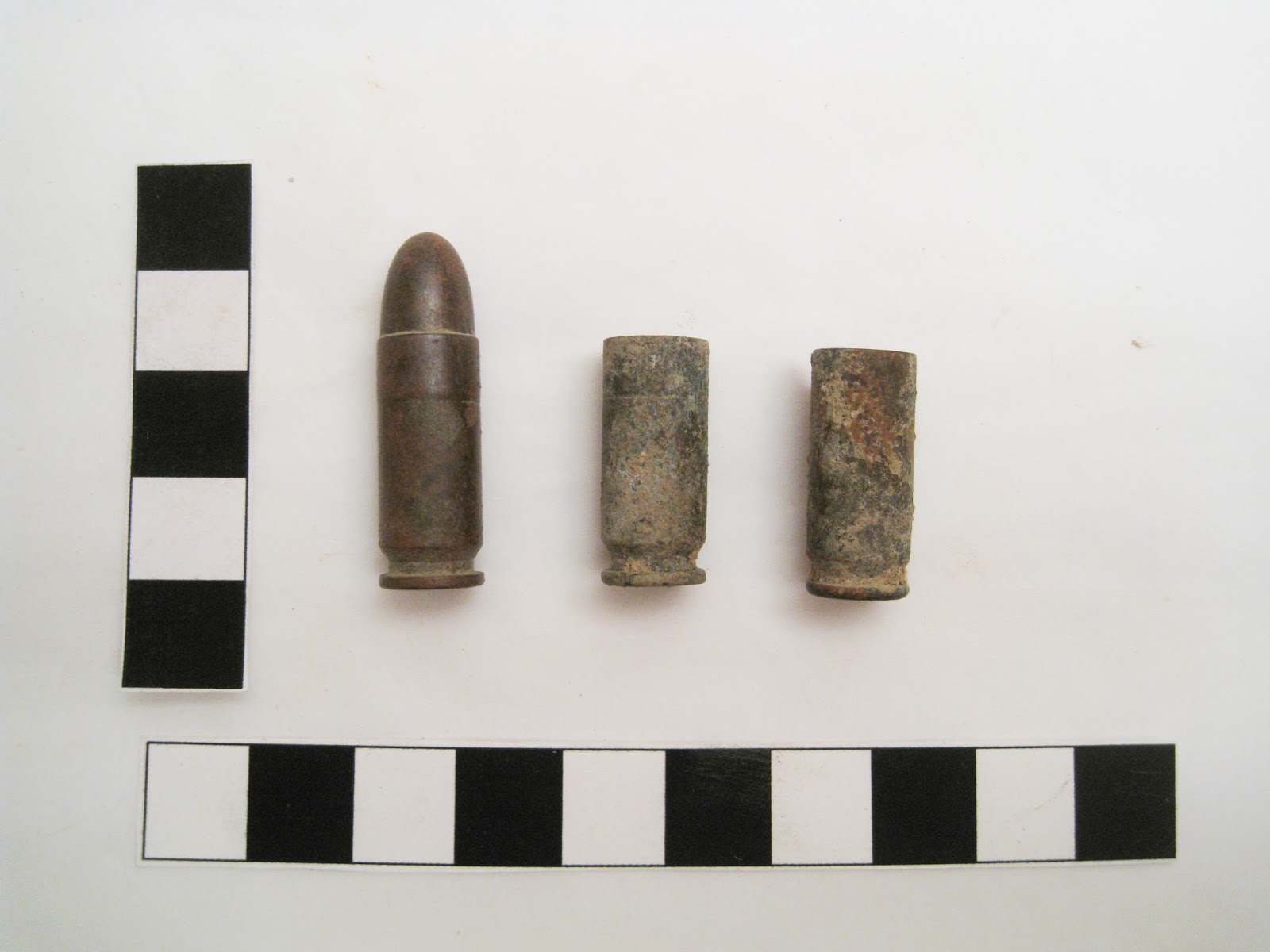
Bulk ammo typically means buying ammunition in large quantities—commonly 250, 500, or 1,000 rounds—usually packed in loose cardboard boxes or plastic bags rather than individual retail boxes. The exact threshold varies, but the key is a meaningful volume discount per round, not just a bigger box. Why buy that way? Simple: cost per round drops noticeably, often 10–20% cheaper than small packs, and you avoid frequent restocking trips or panic buying when supplies run thin. Plus, if you shoot regularly for practice or competition, you’ll burn through ammo fast, so having a stockpile keeps your sessions consistent without interruption. Q: Does bulk ammo mean lower quality? A: Not necessarily—most bulk loads are standard-production rounds, just packaged efficiently for volume. Just check the grain weight and brass vs. steel case to match your firearm’s preference.
Defining Bulk: Case Counts, Flat Rate Boxes, and Loose Packing
Bulk ammunition is defined by its packaging, not just its price. Case counts refer to factory-sealed cartons, typically 500 or 1,000 rounds, which offer the lowest per-round cost and are the standard for true bulk purchases. Flat rate boxes are a shipping method where a fixed fee covers any weight, allowing you to maximize round count without proportional shipping costs. Loose packing means rounds are poured directly into boxes or bags without trays or individual packaging, saving space and weight. This method is ideal for range use where organization is unnecessary.
- Case counts are the baseline for wholesale pricing per 500 or 1,000.
- Flat rate boxes favor heavy calibers, where shipping savings exceed the cost of 5.7x28mm Ammo for Sale packaging.
- Loose packing reduces waste and increases the round count per cubic foot.
- Choose loose packing for immediate shooting, not for long-term storage.
Cost Per Round vs. Retail Boxes: Where the Real Savings Kick In
The real financial shift happens when you compare the shelf price of a 20-round retail box to the per-round cost of bulk ammunition. Retail boxes often carry a premium of 20–40% simply for packaging and per-unit handling, while bulk cases (typically 500 or 1,000 rounds) slash that markup dramatically. For example, a 50-round retail box might run $0.60 per round, but a 500-round case of the same load could drop to $0.38 per round—a 7mm PRC Ammo for Sale savings of nearly $110 per case. That difference compounds with practice volume: shoot 2,000 rounds a year, and you keep hundreds of dollars. The kicker is free shipping thresholds on bulk orders, which retail boxes rarely meet. Buy in bulk, and you’re paying for lead, not cardboard.
Bulk cases cut per-round cost by reducing packaging and per-unit overhead, turning a trivial 20-cent difference into hundreds of dollars saved annually.
Common Calibers and Grain Weights You’ll Actually Find in Bulk
When you buy bulk ammunition, you’ll consistently encounter 9mm Luger in 115 or 124 grain, .223 Remington/5.56 NATO at 55 or 62 grain, and .22 LR in 36 or 40 grain high-velocity loads. These calibers dominate because they feed reliably and offer the best cost-per-round. For handgun practice, stick with 115-grain full metal jacket—it cycles in nearly any semi-auto. For rifles, 55-grain is your light, flat-shooting plinker, while 62-grain gives better barrier penetration. Heavier match-grade bullets (147 grain 9mm or 77 grain .223) appear less often and cost more. In bulk cases, expect standard pressure loads, not +P or specialized hunting .17 HMR Ammo for Sale rounds.
How to Match Bulk Purchases to Your Specific Firearm and Use Case
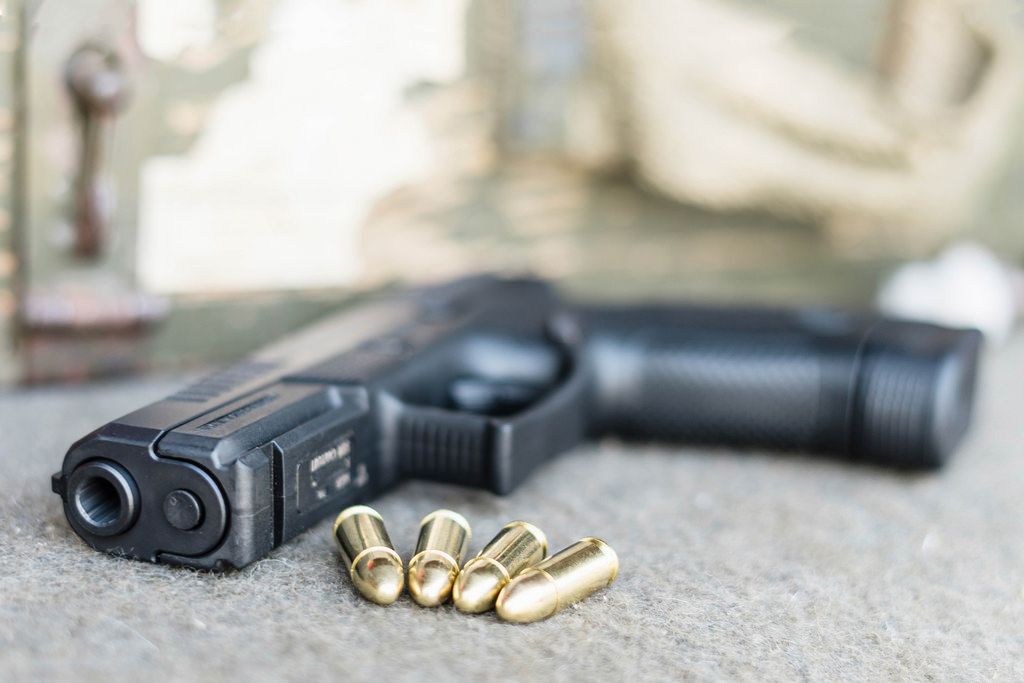
To match bulk purchases to your specific firearm, first verify the cartridge, bullet weight, and profile against your barrel’s twist rate—a 1:7 twist stabilizes heavier projectiles, while 1:9 prefers lighter ones. Then, define your use case: for precision shooting, prioritize match-grade rounds with consistent primer pockets and case neck tension; for defensive drills, choose jacketed hollow points that cycle reliably in your magazine’s feed ramp geometry. Bulk ammunition purchasing demands testing a small box before committing to a case, confirming your firearm’s chamber tolerates the overall length without jams. For competition or high-volume practice, select flat-based or boat-tail designs that match your reloading data, ensuring velocity curves align with your optic’s zero. Tailoring bulk ammunition to your firearm means rejecting generic loads—always chronograph a sample over your actual barrel length to confirm pressure signs and group size, then scale up only what your gun shoots sub-MOA or malfunction-free.
Determining Your Round Count Baseline for Range Days vs. Stockpiling
Your round count baseline separates training consumption from reserve security. For range days, log your average monthly expenditure across three sessions—include malfunctions, sight-in, and drills—then add 10–15% for variance. Stockpiling requires a different denominator: multiply your most defensive-relevant per-month count (e.g., 200 rounds) by 12 months, but never dip into that reserve for practice. A practical rule: range-day stock rotates at a 2:1 ratio to your baseline, meaning 7.62×39 Ammo for Sale if you shoot 500 rounds monthly, buy 1,000—using 500, banking 500—until your reserve hits a predefined floor. Recalculate quarterly, as grip changes or new optics alter consumption. Q: How do I set a baseline without overbuying? A: Track three consecutive range visits, divide by days between visits, then multiply by 30—this yields a monthly figure that accounts for sporadic schedules, not a single high-volume trip.
Matching Bullet Type (FMJ, JHP, Brass, Steel) to Your Intended Application
Matching bullet type is the core of getting bulk ammo right. For range practice, bulk FMJ ammunition is your workhorse—cheap, reliable, and fine for paper or steel. If you’re stocking up for home defense, swap in JHP rounds, which expand on impact and reduce 7.62×51 Ammo for Sale over-penetration risks. Brass cases are your best bet for reloading or for finicky firearms, since they’re more malleable and seal better than steel. Steel-cased ammo is great for high-volume plinking when you want to save cash, but expect rougher extraction and occasional stuck cases. Here’s a quick breakdown:
- Identify your primary use: training, defense, or competition.
- Choose FMJ for training, JHP for defense, and brass for reloading.
- Pick steel only for casual range days, not for carry or precision work.
Understanding Velocity and Pressure Ratings for Your Barrel Length
When buying bulk ammunition, your barrel length fundamentally shifts both velocity and pressure, so a load optimized for a 16-inch carbine may underperform or overpressurize in a 20-inch rifle. Shorter barrels bleed gas early, dropping muzzle velocity by roughly 50–80 fps per inch, while longer barrels sustain pressure longer, boosting speed but also raising peak chamber pressure if the powder burns too fast. Before stocking thousands of rounds, verify the cartridge’s stated pressure rating against your specific firearm’s SAAMI specs—especially with +P or magnum loads. A slower-burning powder suited to a long barrel can create incomplete ignition and dirty cycling in a short one. Barrel-length-specific ballistics matter more than advertised box velocity for reliability and safety.
Q: Why does a 10.5-inch barrel need a different pressure-rated load than a 18-inch barrel? A: The shorter barrel lacks dwell time to burn all powder, often requiring a faster-burning propellant to reach adequate pressure and cycle reliably—whereas the longer barrel can handle slower powder without risking a stuck bolt or excessive unburned residue.
Practical Storage and Preservation Methods for Large Quantities
We packed the pallets floor-to-ceiling in a climate-controlled shed, but the real trick was rotation—newest brass goes to the back, oldest to the front, so you’re always shooting the first in, first out. For bulk ammo, I learned to lay desiccant canisters between every other layer of sealed cans, then slap a cheap hygrometer on the wall; if it reads above 40% humidity, you’re already losing primers. A thick plastic tarp under the pallets stops concrete sweat, and I never stack more than four boxes high to keep the weight from crushing lower cartridges. Every six months, I pull a random sample and cycle it through a bolt gun—not to shoot, but to check for tight extraction. Keep it dry, cool, and rotated—that’s the whole game. Q&A: “How do I stop corrosion on stored bulk rounds?” Wipe each case with a silicone cloth before boxing, and add a silica pouch per 100 rounds, then seal in a metal ammo can with a rubber gasket.
Choosing the Right Ammo Cans, Desiccants, and Moisture Barriers
For bulk ammunition, the container is your first line of defense, but the environment inside it decides your ammo’s fate. Choose military-surplus steel cans with rubber gaskets—they seal tighter than plastic, though new metal cans work if the lid latches cleanly. Before locking it, add **desiccant packs with color-indicating silica gel**, which shift from blue to pink when saturated, letting you know when to swap them out. Pair these with a moisture barrier: lay a thin, non-lubricated Mylar sheet under the ammo’s cardboard trays to block floor sweat and specialty sports & supply humidity that creeps through the gasket over years. Rotate the desiccant every six months based on your climate, and never use rice—its starches corrode brass. For long-term bulk loads, double-bag interior boxes in vacuum-sealed Mylar with a single desiccant inside, then place that whole bundle in the can.
Choosing the right ammo cans, desiccants, and moisture barriers means matching a gasket-sealed metal can with color-changing silica gel and a non-reactive Mylar layer, verified seasonally to keep bulk rounds pristine.
Rotating Your Supply: First-In, First-Out Inventory Tactics
For bulk ammunition, first-in, first-out inventory tactics prevent age-related primer or propellant degradation by ensuring older lots move to the range first. Physically place new cases behind existing stock, 7.62x54R Ammo for Sale or use a gravity-fed shelf where loaded ammo cans slide forward. Label each can with purchase month and lot number using a permanent marker or tape; this avoids guessing which rounds to shoot next. When you open a case, transfer the remaining boxes to a clearly marked “use next” bin, then rotate that bin ahead of newly acquired ammunition. Monthly, check your inventory list against the physical rotation order, discarding or shooting any damaged packaging before touching newer supplies.
Temperature Extremes and Long-Term Shelf Life Considerations
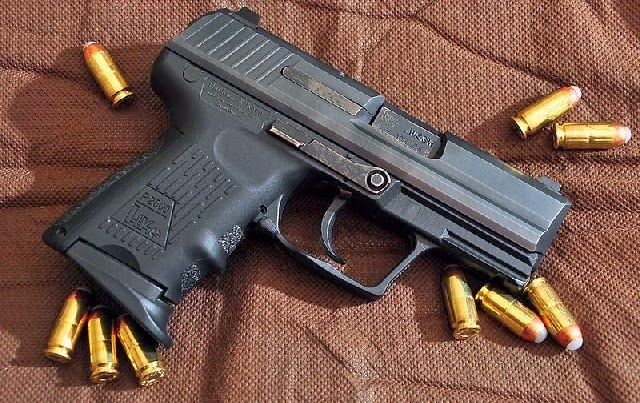
Temperature is the biggest enemy of bulk ammo stored for the long haul. Extreme heat cycles are far more damaging than steady cold—a hot garage in summer can cook the propellant, degrading powder and reducing muzzle velocity over time. Conversely, freezing temps alone won’t ruin cartridges, but rapid thawing can create condensation inside the case, leading to corrosion and primer failure. For bulk stockpiles, aim for a stable 55–65°F if possible; avoid attics and exterior sheds. A simple thermometer and insulated cabinet make a difference. Remember, you’re not just protecting brass—you’re preserving the chemical stability that keeps every round reliable decades later.
Key Quality Indicators to Inspect Before and After Opening a Bulk Order
Before opening a bulk ammunition order, inspect the case, primer, and seal integrity of a sample box. Verify headstamp uniformity, check for corrosion or verdigris on brass, and confirm bullet seating depth is consistent by measuring cartridge overall length (COAL) with calipers. After opening, immediately perform a random weight check on projectiles and cases, then function-test a sample from different layers of the crate to account for settling or handling damage. Look for setback on rounds that may have rattled during transit, and inspect for loose primers or cracked necks.
The most critical post-opening indicator is a visual and tactile check for bullet setback, which can cause pressure spikes in a tube magazine.
Finally, run a magnet Ammo Cans & Storage for Sale test on the projectile to confirm the advertised jacket material, and fire a test group to verify velocity stability before committing to a larger batch use.
Checking Headstamps, Primer Sealing, and Case Finish Consistency
Before committing to a bulk ammunition purchase, verify that every cartridge shares an identical headstamp and primer seal, as mixed lot codes indicate inconsistent storage or reloads. Inspect primer crimps for uniform, unbroken sealant—missing or irregular sealing invites moisture intrusion and misfires. Run your thumb across case finishes: consistent brass color, surface smoothness, and neck tension reflect a single production run. Polished but over-lubricated cases can drag in feeders, while rough or tarnished finishes signal poor handling. A quick magnetic or visual pass on 10% of the cases reveals these patterns. If any deviation appears—stamped depth, alloy shade, or sealant thickness—reject the lot, as subtle variance compounds into extraction or ignition failures.
How to Spot Dented Casings, Corroded Rounds, and Misfeed Risks
Before committing to a bulk purchase, inspect each cartridge under bright light, rolling it between your fingers to reveal subtle deformations. A **dented casing**, often near the shoulder or mouth, can obstruct chambering and spike pressures; discard anything with visible creases. Look for white or green powdery residue on the brass, a classic sign of corrosion that weakens the case wall and invites case separation. Misfeed risks are frequently tied to burred rims or bent case lips—run your thumb over the rim’s edge to catch snags. Reject any round with wobble, loose projectiles, or stippled surface damage, as these are prime causes of feed jams in semiautomatics.
Testing a Small Sample Batch Before Committing to a Bulk Lot
Before you sink cash into a full bulk ammunition lot, fire a sample batch quality check pulled from different boxes or depth layers of the shipment. Shoot at least 20 rounds per firearm platform you intend to use, tracking velocity consistency, primer strike uniformity, and case extraction behavior. Measure group size at your typical engagement distance and watch for pressure signs—flattened primers, ejector swipes, or stuck cases—since these reveal hidden lot defects that won’t show up on a single box. Also run a few rounds through a magazine to verify feed reliability and check for bullet setback after chambering. This dry-run isolates functional issues, so you can reject the bulk order or negotiate a replacement before breaking the seal on thousands of rounds.
Testing a small sample batch first protects your budget and safety by exposing feeding, pressure, and accuracy flaws before you commit to the entire bulk lot.
Common Bulk Buying Mistakes and How to Avoid Them on Your First Order
My first bulk ammo order taught me that grabbing the cheapest per-round price is a classic trap—I ended up with a caliber my favorite rifle barely grouped. The biggest mistake is ignoring lot numbers; mixed production runs can shift point of impact mid-box. Another blunder? Buying 5,000 rounds of a load you’ve never tested—always run a 50-round sampler first. Also, don’t skip checking the bullet type for your purpose: FMJ for paper is fine, but for hunting, you’ll regret not selecting soft points. Store it poorly—humidity near a garage wall—and you’ll be scrubbing corrosion off cases. **Question: “Is it okay to split a bulk order with a friend?” Answer: Only if you divide by lot and seal each container separately, or you’ll inherit their storage problems.** Finally, count boxes before you sign—my first order was short two hundred rounds, and without an inventory list, I had no proof.
Overlooking Shipping Weight and Hazmat Fees in Total Cost Calculations
When pricing bulk ammunition, ignoring the freight monster is a rookie error. A “cheap” per-round deal vanishes when you realize ammo’s density translates to massive shipping weight, often pushing orders into higher carrier tiers. Worse, primers and powder trigger hazmat fees that silently inflate your final invoice—typically a flat surcharge per box, not per pound. Always calculate the delivered cost by adding estimated freight and the hazmat line item *before* you commit. Otherwise, your savings evaporate into logistics. The real trap is comparing base prices without this math, leaving your budget short at checkout.
Q: Why do hazmat fees matter most on bulk ammo orders?
A: Because they’re fixed per shipment, so a 1,000-round order might pay the same $25–$35 hazmat charge as a 500-round order—meaning you must divide that fee across total rounds to see your true cost per box.
Ignoring Your Gun’s Preferred Ammo Load and Causing Malfunctions
When you buy bulk ammo, grabbing the cheapest or most available load without checking your gun’s preferences is a fast track to frustration. Your firearm was designed around a specific bullet weight, pressure curve, and .17 WSM Ammo for Sale OAL—deviating from that can cause failures to feed, stovepipes, or hard extraction. Before committing to 1,000 rounds, test a small box of that exact load through your pistol or rifle. A gun that runs flawlessly on 115-grain may choke on 147-grain subsonics, even if they’re both 9mm. Pay attention to your manual’s recommended range, and stick to it. Otherwise, you’ll waste money on ammo that jams at the worst moments. Matching your bulk ammo to your gun’s preferred ammo load is the only way to avoid malfunctions.
Storing Unlabeled Bulk Rounds Without Lot Numbers for Recalls
When you buy bulk ammunition, rounds without lot numbers become impossible to trace if a recall surfaces. Storing unlabeled bulk rounds without lot numbers for recalls means you must create your own tracking system before they sit in your ammo can. Write the lot number, if printed on the outer case, onto each box, bag, or even the primer seal of individual cartridges using a fine-point marker. More critically, log the purchase date, vendor, and the exact lot code from the manufacturer’s packaging in a spreadsheet or notebook immediately upon opening. If no lot code exists on the bulk container, record the SKU and the batch date from the shipping label.
- Photograph the original case label and store the image with your ammo log.
- Segregate rounds from different orders in separate, clearly marked containers.
- Check the manufacturer’s website quarterly for recall notices using your recorded lot numbers.
